
Seasonal depression can affect mood, energy, sleep, and motivation during New Jersey’s darker winter months. Shorter daylight hours, colder weather, and changes to daily routines can make symptoms harder to manage. Building healthy habits, recognizing early warning signs, and seeking professional support when needed can help you prepare for winter before symptoms become overwhelming.
Winter can be beautiful, but it also brings shorter days, colder temperatures, and more time spent indoors. For some New Jersey residents, these seasonal changes come with more than a passing case of the winter blues. Getting out of bed becomes harder, motivation fades, and activities that usually bring joy may not feel as enjoyable.
If you notice these changes returning each fall or winter, you aren’t alone. Seasonal depression is a real mental health concern, and understanding why it happens is an important first step toward feeling better.
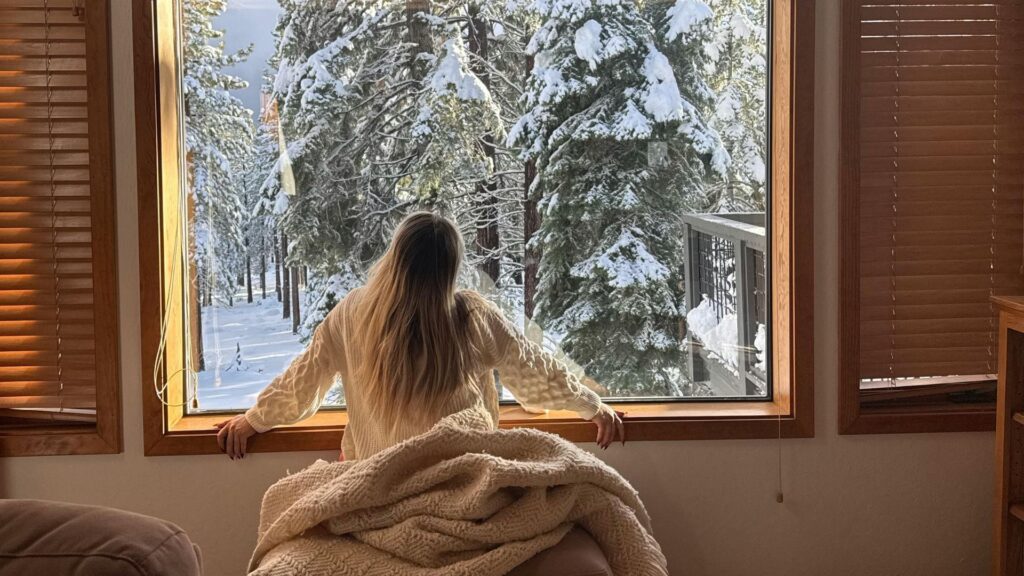
Why Can Winter Affect Your Mental Health in New Jersey?
New Jersey winters bring environmental and lifestyle changes that can affect emotional well-being. Shorter days mean less natural daylight, while cold or unpredictable weather can make outdoor activities less appealing. Reduced daylight may affect processes involved in mood regulation and the body’s internal sleep-wake clock, although the exact causes of seasonal affective disorder (SAD) aren’t fully understood. The National Institute of Mental Health explains how seasonal changes may affect mood and sleep.
Winter can also disrupt routines that support mental health. You might exercise less, spend less time with friends, or feel overwhelmed by holiday expenses, family obligations, and end-of-year work pressures. These changes don’t automatically mean you have seasonal depression, but recurring declines in mood and energy are worth paying attention to.
What Are the Signs of Seasonal Depression?
Seasonal depression can affect more than your mood. It may influence your energy, concentration, sleep, appetite, relationships, and ability to manage everyday responsibilities.
Common symptoms of winter-pattern SAD include:
- Persistent low mood: Feeling sad, hopeless, empty, or unusually irritable.
- Low energy: Feeling exhausted despite sleeping or struggling to start everyday tasks.
- Changes in sleep: Sleeping longer than usual or having difficulty maintaining a consistent schedule.
- Changes in appetite: Experiencing stronger cravings, particularly for carbohydrate-rich foods, or noticing changes in weight.
- Loss of interest: Finding less enjoyment in hobbies, social activities, or time with loved ones.
- Difficulty concentrating: Struggling to focus, make decisions, or stay motivated.
- Social withdrawal: Canceling plans, avoiding conversations, or feeling increasingly isolated.
How Is Seasonal Depression Different From the Winter Blues?
The winter blues generally involve mild, temporary changes in mood or energy. Seasonal affective disorder involves more significant depressive symptoms that interfere with daily functioning and follow a recurring seasonal pattern.
Clinicians typically look for depressive episodes that occur during a particular season for at least two consecutive years when evaluating winter-pattern SAD. However, you don’t need to wait for a diagnosis to seek help. If low mood, fatigue, or loss of interest persists for two weeks or longer, interferes with daily life, or continues to worsen, consider speaking with a mental health professional.
How to Get Ahead of Seasonal Depression Before Winter
If winter tends to affect your mental health, preparing before symptoms become overwhelming can help. Small, consistent changes may support emotional well-being, especially when they address the routines that tend to slip during colder months.
1. Make Daylight Part of Your Routine
With fewer daylight hours in New Jersey, getting outside may require extra planning. Try taking a morning walk, eating lunch outdoors, or spending a few minutes outside during daylight when weather and schedules allow. Natural light can support your sleep-wake routine, and time outdoors offers a break from being inside.
For people experiencing SAD, a clinician may recommend light therapy using a specialized light box. Because it isn’t appropriate for everyone, particularly people with certain eye conditions or light-sensitive medications, discuss this option with a healthcare professional first.
2. Keep Your Sleep Schedule Consistent
Dark mornings and early sunsets can make irregular sleep patterns more tempting. Try to wake up and go to bed at consistent times, including on weekends, and establish a calming evening routine that helps you wind down.
If you’re regularly sleeping much more than usual but still feel exhausted, discuss the change with a healthcare professional rather than assuming it’s simply part of winter.
3. Stay Connected Even When You Want to Stay In
Cold weather can make socializing feel like more effort, leaving you more isolated just when you may need support. Rather than waiting until you feel motivated, schedule manageable ways to connect with others.
Consider having coffee with a friend, arranging a regular phone call, attending an indoor activity, or planning a virtual get-together. Social connection doesn’t replace treatment, but maintaining relationships can help reduce isolation and add structure to your week.
4. Plan Activities That Support Your Mood
When you’re feeling low, activities that usually feel rewarding can start to seem like chores. Planning small, realistic activities can help interrupt the cycle of doing less and feeling increasingly disconnected.
Choose manageable goals, such as:
- Taking a short walk or doing gentle movements at home.
- Preparing a nourishing meal.
- Spending time on a favorite hobby.
- Breaking a demanding task into smaller steps.
- Scheduling something to look forward to each week.
The goal isn’t to force yourself to feel happy. It’s to maintain supportive routines even when your energy or motivation is low.
5. Recognize Your Patterns and Seek Support Early
If you’ve experienced seasonal depression in NJ year after year, pay attention to when symptoms begin and which parts of your routine become difficult. Brief notes about your mood, sleep, energy, and appetite can help you identify recurring patterns.
If you know winter is difficult for you, consider discussing a treatment plan with a professional before symptoms return. Planning ahead can be especially helpful if you’ve experienced recurring seasonal depressive episodes.
When Should You Consider Professional Support?
Lifestyle changes can support mental health, but they aren’t always enough to manage depression. If symptoms persist, worsen, or interfere with daily functioning, professional support can help you understand what’s happening and explore appropriate treatments.
Psychotherapy is one established treatment for seasonal depression. Cognitive Behavioral Therapy adapted for SAD can help people recognize unhelpful thought patterns, develop coping strategies, and plan activities that support well-being. Depending on individual needs, a healthcare professional may also discuss light therapy or medication.
At Therapy Now, adults can receive individualized depression treatment in New Jersey through one-on-one therapy that incorporates evidence-based approaches alongside mindfulness, meditation, grounding techniques, and other holistic practices. Treatment is tailored to each person’s experiences and goals.

Frequently Asked Questions About Seasonal Depression in NJ
1. When does seasonal depression usually start in New Jersey?
Winter-pattern seasonal affective disorder typically begins in late fall or early winter, when daylight hours decrease. Symptoms often improve during spring and summer, although the timing varies from person to person.
2. Can you have seasonal depression without feeling sad all the time?
Yes. Seasonal depression can involve low energy, oversleeping, appetite changes, difficulty concentrating, irritability, and loss of interest in activities. Persistent sadness isn’t the only sign, and symptoms vary between individuals.
3. How can I prepare for seasonal depression before winter begins?
Establish consistent sleep habits, plan opportunities for daylight exposure, maintain social connections, and schedule enjoyable activities. If you’ve experienced seasonal depressive episodes before, discuss preventive treatment options with a healthcare professional before your usual symptoms begin.
4. Does seasonal depression go away on its own?
Winter-pattern SAD symptoms often improve in spring and summer, but that doesn’t mean you should ignore them. Depression can affect daily functioning and relationships throughout the winter. If symptoms persist or interfere with your life, professional evaluation and treatment may help.
5. What treatment options are available for seasonal depression in NJ?
Treatment may include psychotherapy, medication, or a combination of approaches, depending on individual needs. A mental health professional or healthcare provider can help you understand your symptoms and determine which options may be appropriate.
Take a Proactive Approach to Your Mental Health This Winter
Winter can change your routines, energy levels, and emotional well-being, but you don’t have to navigate those changes without support. Recognizing early warning signs, building manageable habits, and seeking help when needed can make it easier to approach the season with a plan.
If seasonal depression has affected you in previous winters, consider taking the first step before symptoms become overwhelming. With the right support, you can work toward feeling more connected, supported, and prepared for the months ahead.