
Yes, New Jersey Temporary Disability Insurance (TDI) may provide partial wage replacement if your own mental health condition prevents you from working. Family Leave Insurance (FLI), on the other hand, generally provides benefits when you need time away to care for a loved one with a serious health condition or bond with a new child. Eligibility depends on your circumstances, earnings, medical documentation, and program requirements. Understanding the difference between paid benefits and job-protected leave can help you plan for treatment without making assumptions about your income or employment.

Taking time away from work for mental health treatment can feel complicated. You may be managing anxiety, depression, or overwhelming stress while worrying about your paycheck, job security, and responsibilities at home. New Jersey has programs that may help eligible workers manage the financial impact of certain medical leaves. Whether you’re considering regular therapy or a more structured treatment program, understanding your options can help you make informed decisions about your care.

photo of a family taking advantage of paid leave for disability for mental health

Can You Get NJ Disability for Mental Health Treatment?

Yes. New Jersey Temporary Disability Insurance provides partial wage replacement to eligible workers who cannot work because of a qualifying non-work-related physical or mental health condition. Mental health conditions may qualify just as physical conditions can, but receiving a diagnosis or attending therapy does not automatically establish eligibility. Your condition must meet the program’s requirements, and a healthcare provider must certify the period you are unable to work.

For someone researching NJ disability for mental health, the key consideration is how the condition affects their ability to work, rather than simply whether they need treatment. Severe depression or debilitating anxiety, for example, may make it difficult to perform job responsibilities and lead a healthcare provider to recommend time away from work. Applicants must also meet the state’s earnings requirements. Eligible claimants may receive benefits for up to 26 weeks, subject to program rules and medical certification. Review the state’s Temporary Disability Insurance requirements for current eligibility criteria and application instructions.

Temporary Disability vs. Family Leave: What’s the Difference?

Although Temporary Disability Insurance and Family Leave Insurance can both provide partial wage replacement, they serve different purposes. TDI generally applies when your own qualifying medical condition prevents you from working, while FLI generally covers eligible workers who need time away to care for a family member with a serious health condition or bond with a new child. This distinction is important when deciding which benefit may apply to your situation.

BenefitWho it’s forWhat it may cover
Temporary Disability Insurance (TDI)Workers whose own qualifying medical condition prevents them from workingPartial wage replacement during an approved medical leave, including qualifying mental health conditions
Family Leave Insurance (FLI)Workers who need qualifying family or bonding leavePartial wage replacement while caring for a loved one with a serious mental or physical health condition, or bonding with a new child

How Much Can You Receive Through Each Program?

Both programs have limits on the total benefits payable, and the amount you receive depends on your earnings during the applicable base year and the program’s rules. Under TDI, the maximum payable for a disability period is generally less than one-third of your total covered New Jersey wages during the base year or 26 times your weekly benefit amount. This means that although eligible claimants may receive benefits for up to 26 weeks, the total amount payable is also subject to a separate earnings-based limit.

FLI offers more flexibility in how eligible employees take leave. For continuous leave, employees may receive benefits for up to 12 consecutive weeks in a 12-month period. For intermittent leave, they may receive benefits for up to 56 individual days (eight weeks) in a 12-month period. In either case, the total benefits payable are limited to the lesser of the applicable leave allowance or one-third of total gross wages earned during the base year, as specified by the state. Employees taking intermittent leave must report the dates of each completed period of leave and provide an updated schedule when required.

These limits are important because the maximum number of weeks or days does not guarantee that someone will receive that entire amount. Eligibility, covered earnings, medical certification where applicable, and the state’s benefit calculations all affect the final determination. Check the official Temporary Disability Insurance and Family Leave Insurance guidance for current requirements before planning an extended absence.

Can Intensive Mental Health Treatment Qualify for Disability Leave?

Potentially. Eligibility depends on whether your mental health condition prevents you from working and whether you meet the state’s medical and other program requirements. Some people manage symptoms through weekly therapy, while others need more structured treatment involving several sessions per week or multiple hours of care per day. The type of treatment you receive can affect how you plan your leave, but attending a particular program does not automatically qualify you for disability benefits.

Therapy Now offers two structured treatment options for adults who need more support than traditional weekly therapy may provide: partial care and an intensive outpatient program (IOP). Understanding how they differ can help you discuss your treatment needs, scheduling considerations, and possible time away from work with your healthcare provider.

Does Taking Mental Health Leave Protect Your Job?

Paid benefits and job protection are separate issues. Receiving wage replacement does not automatically mean every absence is protected under every employment law. Depending on your circumstances, you may have rights under the federal Family and Medical Leave Act (FMLA), the New Jersey Family Leave Act (NJFLA), or applicable New Jersey disability and family leave laws. Each has different eligibility requirements and protections.

The FMLA may provide eligible employees with job-protected leave for their own serious health condition, while the NJFLA generally covers qualifying leave to care for a family member or bond with a new child rather than leave for an employee’s own medical condition. As of July 17, 2026, New Jersey also provides additional job-protection rights for eligible workers receiving TDI or FLI benefits when their leave is not already covered under the NJFLA or FMLA. Because the rules depend on the type of leave and individual circumstances, review the state’s job-protection guidance before making decisions about your employment.

How Do You Apply for NJ Disability for Mental Health?

If a mental health condition is making it difficult or impossible to work, start by discussing your symptoms and treatment needs with your healthcare provider. Explain how your condition affects your job responsibilities and ask whether medical leave may be appropriate. Your provider can evaluate your situation and complete the required medical certification when appropriate, but the state makes the final decision on benefit eligibility.

Before applying, review the state’s current earnings requirements and gather information about your employment history, the date you became unable to work, and your medical provider. New Jersey generally requires TDI applications to be filed within 30 days after the start of leave, so check the current application instructions and submit your claim promptly. Keep your employer informed about your planned absence, and ask about workplace procedures, available benefits, and applicable job protections. Planning these steps alongside your treatment can help you prepare for the financial and practical considerations of taking leave.
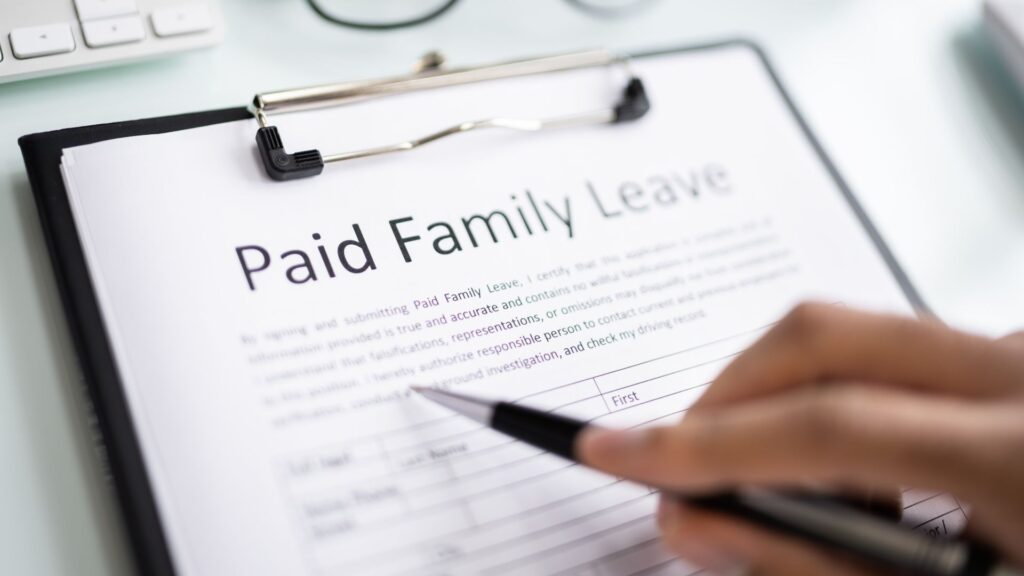
photo of paid family leave for NJ disability for mental health

Frequently Asked Questions

1. Can you get temporary disability for anxiety or depression in New Jersey?

Potentially. Anxiety, depression, and other mental health conditions may qualify when they prevent you from working and meet the program’s requirements. Applicants must meet the earnings criteria and provide the required medical certification. The state determines eligibility.

2. Does attending IOP or partial care automatically qualify you for disability benefits?

No. Attending an intensive outpatient program or partial care program does not automatically establish eligibility. The state considers whether your condition prevents you from working, along with medical certification and other eligibility criteria.

3. Can you use Family Leave Insurance for your own mental health treatment?

Generally, no. Family Leave Insurance primarily covers eligible caregiving and bonding situations, not wage replacement while you receive treatment for your own condition. Temporary Disability Insurance may be more relevant if your mental health condition prevents you from working.

4. Will I lose my job if I take mental health leave?

Not necessarily. Depending on your circumstances, federal or state laws may protect your leave and employment. Paid benefits and job protection have different eligibility requirements, so confirm which protections apply to your situation before taking leave.

5. How long can you receive temporary disability benefits for mental health?

Eligible claimants may receive New Jersey Temporary Disability Insurance benefits for up to 26 weeks, subject to medical certification and program requirements. The actual duration depends on the approved claim and the period of disability.

Taking the Next Step Toward Mental Health Care

Financial concerns shouldn’t prevent you from asking questions about the support you may need. If mental health symptoms are affecting your ability to work, speak with your healthcare provider about treatment options, medical documentation, and whether a leave of absence may be appropriate.

Understanding your benefits and employment protections can help you plan for treatment with greater confidence. With the right information and clinical support, you can take steps toward addressing your mental health while making informed decisions about work and recovery.


Accessibility Toolbar

Can You Use NJ Temporary Disability or Family Leave for Mental Health Treatment?

Yes, New Jersey Temporary Disability Insurance (TDI) may provide partial wage replacement if your own mental health condition prevents you from working. Family Leave Insurance (FLI), on the other hand, generally provides benefits when you need time away to care for a loved one with a serious health condition or bond with a new child. Eligibility depends on your circumstances, earnings, medical documentation, and program requirements. Understanding the difference between paid benefits and job-protected leave can help you plan for treatment without making assumptions about your income or employment.

Taking time away from work for mental health treatment can feel complicated. You may be managing anxiety, depression, or overwhelming stress while worrying about your paycheck, job security, and responsibilities at home. New Jersey has programs that may help eligible workers manage the financial impact of certain medical leaves. Whether you're considering regular therapy or a more structured treatment program, understanding your options can help you make informed decisions about your care.

photo of a family taking advantage of paid leave for disability for mental health

Can You Get NJ Disability for Mental Health Treatment?

Yes. New Jersey Temporary Disability Insurance provides partial wage replacement to eligible workers who cannot work because of a qualifying non-work-related physical or mental health condition. Mental health conditions may qualify just as physical conditions can, but receiving a diagnosis or attending therapy does not automatically establish eligibility. Your condition must meet the program's requirements, and a healthcare provider must certify the period you are unable to work.

For someone researching NJ disability for mental health, the key consideration is how the condition affects their ability to work, rather than simply whether they need treatment. Severe depression or debilitating anxiety, for example, may make it difficult to perform job responsibilities and lead a healthcare provider to recommend time away from work. Applicants must also meet the state's earnings requirements. Eligible claimants may receive benefits for up to 26 weeks, subject to program rules and medical certification. Review the state's Temporary Disability Insurance requirements for current eligibility criteria and application instructions.

Temporary Disability vs. Family Leave: What's the Difference?

Although Temporary Disability Insurance and Family Leave Insurance can both provide partial wage replacement, they serve different purposes. TDI generally applies when your own qualifying medical condition prevents you from working, while FLI generally covers eligible workers who need time away to care for a family member with a serious health condition or bond with a new child. This distinction is important when deciding which benefit may apply to your situation.

Benefit Who it's for What it may cover
Temporary Disability Insurance (TDI) Workers whose own qualifying medical condition prevents them from working Partial wage replacement during an approved medical leave, including qualifying mental health conditions
Family Leave Insurance (FLI) Workers who need qualifying family or bonding leave Partial wage replacement while caring for a loved one with a serious mental or physical health condition, or bonding with a new child

How Much Can You Receive Through Each Program?

Both programs have limits on the total benefits payable, and the amount you receive depends on your earnings during the applicable base year and the program's rules. Under TDI, the maximum payable for a disability period is generally less than one-third of your total covered New Jersey wages during the base year or 26 times your weekly benefit amount. This means that although eligible claimants may receive benefits for up to 26 weeks, the total amount payable is also subject to a separate earnings-based limit.

FLI offers more flexibility in how eligible employees take leave. For continuous leave, employees may receive benefits for up to 12 consecutive weeks in a 12-month period. For intermittent leave, they may receive benefits for up to 56 individual days (eight weeks) in a 12-month period. In either case, the total benefits payable are limited to the lesser of the applicable leave allowance or one-third of total gross wages earned during the base year, as specified by the state. Employees taking intermittent leave must report the dates of each completed period of leave and provide an updated schedule when required.

These limits are important because the maximum number of weeks or days does not guarantee that someone will receive that entire amount. Eligibility, covered earnings, medical certification where applicable, and the state's benefit calculations all affect the final determination. Check the official Temporary Disability Insurance and Family Leave Insurance guidance for current requirements before planning an extended absence.

Can Intensive Mental Health Treatment Qualify for Disability Leave?

Potentially. Eligibility depends on whether your mental health condition prevents you from working and whether you meet the state's medical and other program requirements. Some people manage symptoms through weekly therapy, while others need more structured treatment involving several sessions per week or multiple hours of care per day. The type of treatment you receive can affect how you plan your leave, but attending a particular program does not automatically qualify you for disability benefits.

Therapy Now offers two structured treatment options for adults who need more support than traditional weekly therapy may provide: partial care and an intensive outpatient program (IOP). Understanding how they differ can help you discuss your treatment needs, scheduling considerations, and possible time away from work with your healthcare provider.

Does Taking Mental Health Leave Protect Your Job?

Paid benefits and job protection are separate issues. Receiving wage replacement does not automatically mean every absence is protected under every employment law. Depending on your circumstances, you may have rights under the federal Family and Medical Leave Act (FMLA), the New Jersey Family Leave Act (NJFLA), or applicable New Jersey disability and family leave laws. Each has different eligibility requirements and protections.

The FMLA may provide eligible employees with job-protected leave for their own serious health condition, while the NJFLA generally covers qualifying leave to care for a family member or bond with a new child rather than leave for an employee's own medical condition. As of July 17, 2026, New Jersey also provides additional job-protection rights for eligible workers receiving TDI or FLI benefits when their leave is not already covered under the NJFLA or FMLA. Because the rules depend on the type of leave and individual circumstances, review the state's job-protection guidance before making decisions about your employment.

How Do You Apply for NJ Disability for Mental Health?

If a mental health condition is making it difficult or impossible to work, start by discussing your symptoms and treatment needs with your healthcare provider. Explain how your condition affects your job responsibilities and ask whether medical leave may be appropriate. Your provider can evaluate your situation and complete the required medical certification when appropriate, but the state makes the final decision on benefit eligibility.

Before applying, review the state's current earnings requirements and gather information about your employment history, the date you became unable to work, and your medical provider. New Jersey generally requires TDI applications to be filed within 30 days after the start of leave, so check the current application instructions and submit your claim promptly. Keep your employer informed about your planned absence, and ask about workplace procedures, available benefits, and applicable job protections. Planning these steps alongside your treatment can help you prepare for the financial and practical considerations of taking leave.

photo of paid family leave for NJ disability for mental health

Frequently Asked Questions

1. Can you get temporary disability for anxiety or depression in New Jersey?

Potentially. Anxiety, depression, and other mental health conditions may qualify when they prevent you from working and meet the program's requirements. Applicants must meet the earnings criteria and provide the required medical certification. The state determines eligibility.

2. Does attending IOP or partial care automatically qualify you for disability benefits?

No. Attending an intensive outpatient program or partial care program does not automatically establish eligibility. The state considers whether your condition prevents you from working, along with medical certification and other eligibility criteria.

3. Can you use Family Leave Insurance for your own mental health treatment?

Generally, no. Family Leave Insurance primarily covers eligible caregiving and bonding situations, not wage replacement while you receive treatment for your own condition. Temporary Disability Insurance may be more relevant if your mental health condition prevents you from working.

4. Will I lose my job if I take mental health leave?

Not necessarily. Depending on your circumstances, federal or state laws may protect your leave and employment. Paid benefits and job protection have different eligibility requirements, so confirm which protections apply to your situation before taking leave.

5. How long can you receive temporary disability benefits for mental health?

Eligible claimants may receive New Jersey Temporary Disability Insurance benefits for up to 26 weeks, subject to medical certification and program requirements. The actual duration depends on the approved claim and the period of disability.

Taking the Next Step Toward Mental Health Care

Financial concerns shouldn't prevent you from asking questions about the support you may need. If mental health symptoms are affecting your ability to work, speak with your healthcare provider about treatment options, medical documentation, and whether a leave of absence may be appropriate.

Understanding your benefits and employment protections can help you plan for treatment with greater confidence. With the right information and clinical support, you can take steps toward addressing your mental health while making informed decisions about work and recovery.

← Table of Contents
Scroll to Top